FAA orders freeplay checks on 1,987 US Boeing 737NGs over stabilizer pitch oscillations
FAA final rule AD 2026-20-14: freeplay checks on Boeing 737-600 to -900ER stabilizer pivot hinges and jackscrew, after pitch oscillation reports. Effective 23 N
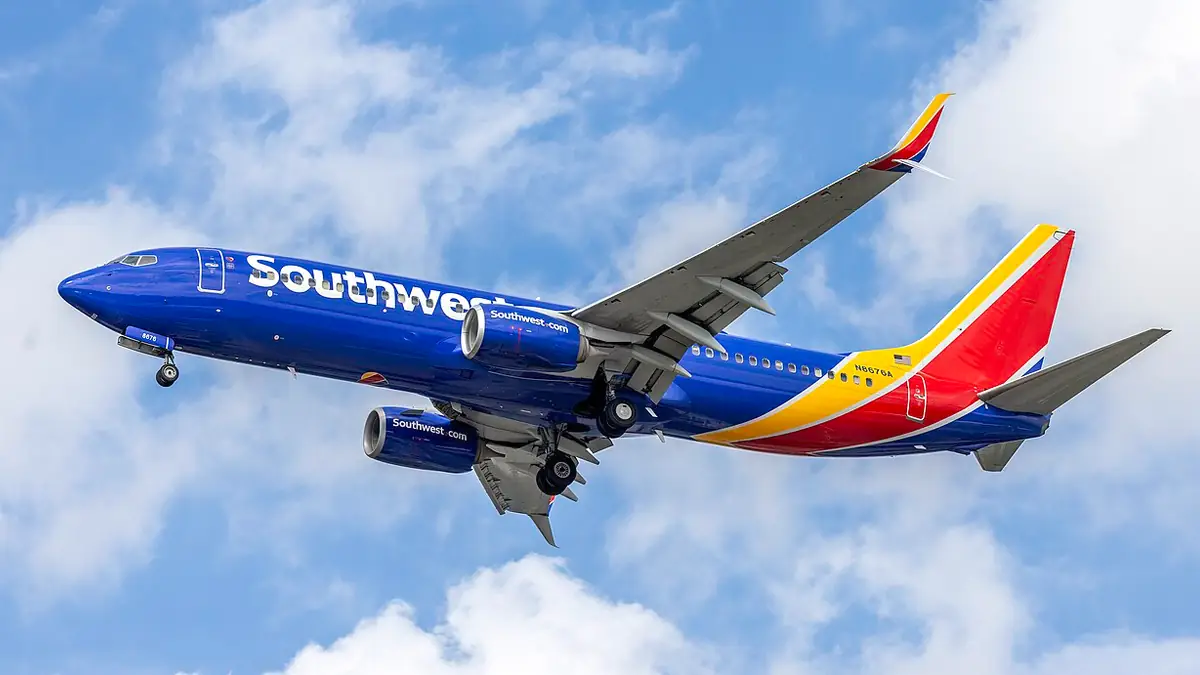
The US Federal Aviation Administration has issued a final airworthiness directive that requires operators of older Boeing 737s to measure a part of the tail that controls the aircraft's pitch. The directive covers 737-600, -700, -700C, -800, -900 and -900ER airplanes, which are the Next Generation (NG) models, not the 737 MAX.
What the directive requires
The directive is AD 2026-20-14, published in the Federal Register on 19 October 2026. It takes effect on 23 November 2026.
Operators must measure the freeplay at the left and right horizontal stabilizer pivot hinges and at the jackscrew. Depending on the results, operators may need additional measurements, repairs, or replacement of worn parts. The procedures come from Boeing Alert Requirements Bulletin 737-55A1104 RB, dated 12 June 2025, which the rule incorporates.
The FAA says 1,987 airplanes on the US registry are affected. The rule does not cover aircraft flying under other registries.
Why the FAA acted
The rule was prompted by reports from several operators of pitch oscillation events, which the FAA ties to excessive freeplay in the horizontal stabilizer. The FAA warns that this condition could lead to a flutter event, which can result in loss of control of the airplane.
The FAA did not say in the rule how many events were reported, when they happened or which carriers were involved. We have not found that information in the official text, so we are not repeating any count.
How it got here
The FAA first proposed the rule on 9 January 2026 in a notice of proposed rulemaking (Federal Register document 2026-00299). Five commenters, including the Air Line Pilots Association, Boeing and two individuals, supported the proposal without change, according to the final rule. Four others, including Alaska Airlines, Aviation Partners Boeing, Canadian North and United Airlines, asked for changes.
United asked for longer intervals between repeat inspections and for credit for checks already completed. The FAA's response to each comment is in the final rule, and our summary does not restate it.
What this means for passengers
Most passengers will not notice anything. For airlines with older 737NGs, the directive means scheduled inspection work on a specific part of the tail before the effective date. Check your airline's statement if you are concerned about an aircraft you are booked on. The directive is a safety check, not a grounding order.
Sources
- Federal Register: Airworthiness Directives; The Boeing Company Airplanes (final rule, AD 2026-20-14)
- Federal Register: proposed rule, 9 January 2026
Featured image: Photo: Acroterion, CC BY-SA 4.0, via Wikimedia Commons. Source
