FAA orders video monitor retention lanyards on 85 US Boeing 757s after monitors came loose in a hard landing
FAA final rule on Boeing 757-200 and -300 passenger service unit video monitors that detached during a hard landing. Replacement requirement, 85 US airplanes, e
The FAA has issued a final airworthiness directive for Boeing 757-200 and 757-300 airplanes after some passenger video monitors came loose from their mounts during a hard landing. The rule requires operators to replace the monitors that lack a secondary retention lanyard. The FAA estimates 85 airplanes on the US registry are affected.
The problem
The monitors sit in the passenger service unit (PSU), the panel above each seat row that carries reading lights, call buttons and oxygen. The FAA says some PSU-mounted video monitors detached from their PSU rails during a hard landing.
A monitor that is not restrained can become a hazard during a rough landing, which is why the FAA mandated the change rather than leaving it to airlines.
What the directive requires
Operators must replace PSU-mounted video monitors that do not have a secondary retention lanyard with monitors that do. A lanyard is a backup strap that holds the screen if the main mount fails.
The rule takes effect on 1 December 2026.
What to know if you fly a 757
The directive covers the 757-200 and 757-300. The FAA's count of 85 covers only US-registered airplanes.
Check with your airline if you are concerned about a particular seat. Passengers are not expected to take any action.
Sources
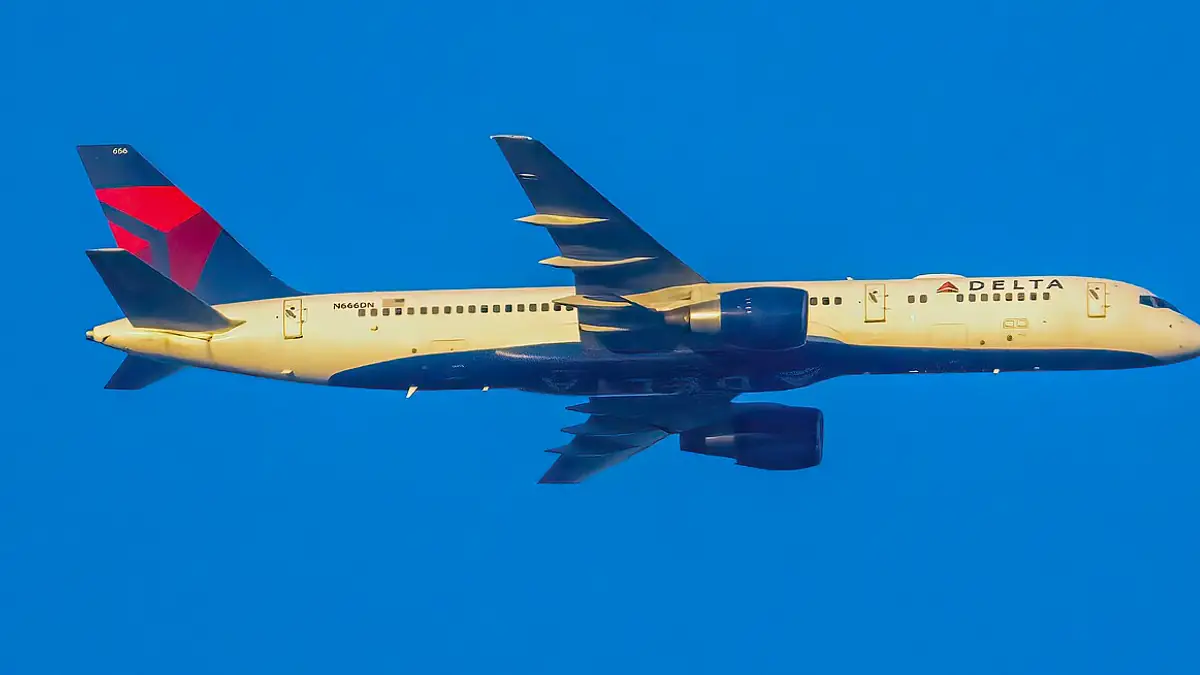
Featured image: Photo: Acroterion, CC BY-SA 4.0, via Wikimedia Commons. Delta Boeing 757-200 N666DN at Memphis. Source
