How to become an airline pilot: the hours, the licences and the cost of the 1,500-hour rule
The route to an airline pilot job: training, licences, the 1,500-hour ATPL requirement and multi-pilot hours, and how to check the rules in your country.
Airline pilot is one of the most visible jobs in aviation, and one of the most expensive to get into. The route is long, and the number most people hear first, 1,500 hours, is only part of the story.
The route in brief
Most people reach an airline cockpit in roughly this order:
- Basic training for a private pilot licence, which covers ground school and the first flying hours.
- Commercial training, including instrument ratings and multi-engine time.
- Gaining experience, often as a flight instructor, in a regional or charter operation, or through a cadet programme that an airline runs.
- The airline transport pilot licence (ATPL), which is needed to act as captain of an airline flight.
- Airline type rating and training for the aircraft you will fly.
Military training is another route, and some countries also run university-based programmes.
What the 1,500-hour figure covers
In Europe, the ATPL for aeroplanes under EASA's rules requires 1,500 hours as a pilot of aeroplanes, of which 500 hours must be in multi-pilot operations, plus minimum time as pilot in command. The UK CAA publishes the Annex I conditions that its rules are based on.
In the United States, the FAA's airline transport pilot practical test requires at least 1,500 hours of flight experience, including 250 hours as pilot in command. Some restricted ATP certificates allow fewer hours for certain military or university-trained applicants.
The exact requirements differ between countries, so a figure you read in one place may not apply where you train. Check the civil aviation authority for the country where you will get your licence.
Cost and planning
Training costs vary widely by country, aircraft and school, and by how many hours you fly before you join an airline. We do not publish cost estimates here because we have not checked current fees at any school. Before you commit, ask a school for a written breakdown of hours, aircraft charges, instructor fees and exam costs, and compare it with the regulator's minimum requirements.
For professionals and career changers
- Many airlines now have their own cadet and type-rating pathways. Check each airline's current requirements, which can change.
- The hours a regulator counts, such as multi-pilot time, matter more than total hours alone.
- Medical certification is a separate requirement that runs alongside the licence. Check it early.
Sources
- Airline transport pilot licence, overview
- UK CAA regulatory library, Annex I conditions for acceptance
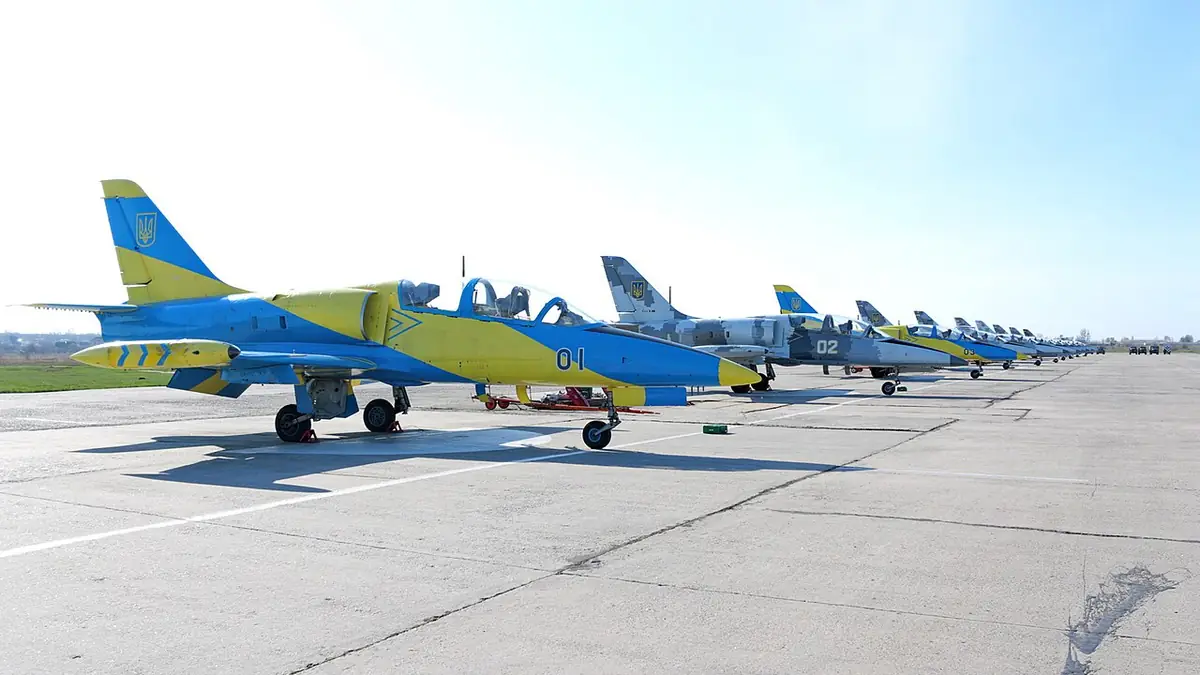
Featured image: Photo: Ministry of Defence of Ukraine, CC BY-SA 2.0, via Wikimedia Commons. Cadets of the flight faculty at Kharkiv National University of Air Force. Source
